Get Sagging Floor Repair
Sagging floor repair services help property owners fix uneven, weakened, or sagging floors caused by structural issues, often involving joist replacement, leveling, or reinforcement by experienced local contractors.
Sagging floors can be a sign of underlying structural issues that may affect the safety and stability of a property. Property owners in the area who notice uneven or sagging flooring are encouraged to explore repair options to address these concerns promptly. Understanding the available solutions and comparing local contractors can help ensure the work is completed effectively and with minimal disruption.
For those considering sagging floor repair, researching reputable service providers in the community is an important step in planning a project. Local contractors who specialize in this type of work can assess the condition of the flooring and recommend appropriate repair methods. Continuing to explore your options can lead to informed decisions and successful restoration of your property’s foundation.
- Sagging Floor Repair - needed when floors feel uneven or bouncy, indicating structural issues.
- Foundation Settlement Fixes - required if shifting or sinking floors are caused by underlying foundation problems.
- joist and Subfloor Reinforcement - necessary when weakened or damaged joists lead to floor sagging.
- Structural Support Installation - advised if additional support is needed to stabilize compromised flooring areas.
- Moisture and Leak Repair - essential when water damage has contributed to floor deterioration and sagging.
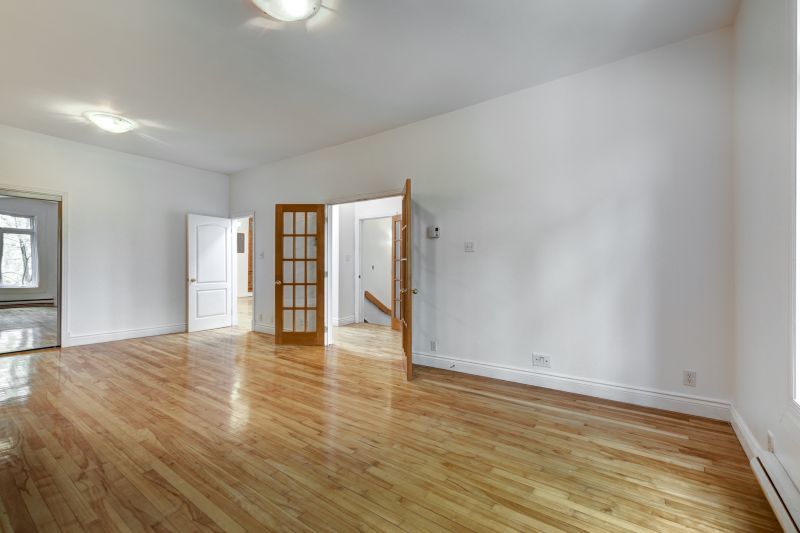
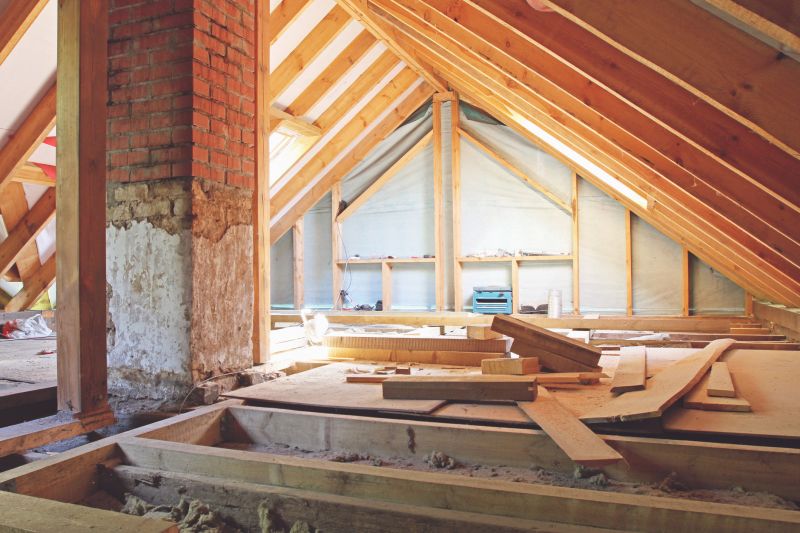
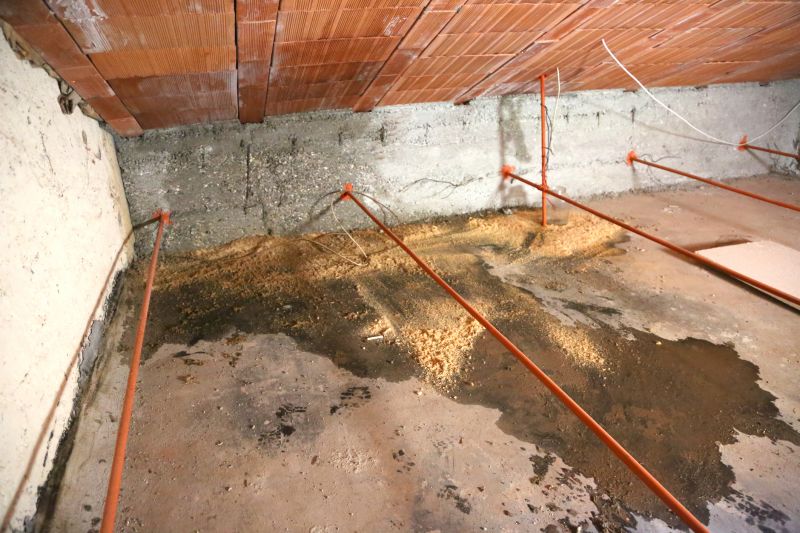
Sagging floor repair services address issues where the flooring in a property begins to dip, sag, or feel uneven. This problem often results from underlying structural weaknesses, such as weakened joists, compromised support beams, or rotted wood. When a floor starts to sag, it can create an unsafe walking surface and lead to further damage if not addressed promptly. Local contractors specializing in this service assess the extent of the sagging, identify the root causes, and implement appropriate solutions to restore the stability and levelness of the floor.
These services help solve a range of problems associated with sagging floors, including creaking noises, uneven surfaces, and the risk of further structural deterioration. Sagging floors can also cause issues with doors and windows that no longer open or close properly. Addressing these problems early can prevent more costly repairs down the line, such as replacing entire sections of flooring or supporting structures. Skilled service providers utilize techniques like sistering joists, installing new support beams, or replacing damaged wood to reinforce and stabilize the affected areas.
Sagging floor repair is commonly needed in residential properties, including single-family homes, basements, and attic spaces. Older homes with aging support structures are particularly susceptible, but newer properties can also experience sagging due to improper construction or unforeseen damage. Commercial buildings, especially those with heavy foot traffic or storage loads, may also require this type of repair. Property owners who notice uneven floors, creaking sounds, or visible dips should consider consulting local contractors to evaluate whether repair work is necessary to maintain safety and structural integrity.
When sagging floors become a concern, it’s important to seek professional assessment and repair services from experienced local contractors. These specialists have the expertise to diagnose the underlying causes of the sagging and recommend the most effective solutions. Proper repair not only improves safety and comfort but also helps preserve the value of the property. Contacting qualified service providers can ensure that the work is done correctly and efficiently, restoring the stability and appearance of the flooring for years to come.
The overview below groups typical Sagging Floor Repair projects into broad ranges so you can see how smaller, mid-sized, and larger jobs often compare in your area.
In many markets, a large share of routine jobs stays in the lower and middle ranges, while only a smaller percentage of projects moves into the highest bands when the work is more complex or site conditions are harder than average.
Smaller Repairs - For minor sagging issues or localized repairs, local contractors typically charge between $250 and $600. Many routine jobs fall within this range, especially when only a small section of the floor is affected.
Moderate Repairs - When addressing more extensive sagging that involves multiple areas or partial floor replacement, costs generally range from $600 to $2,000. These projects are common and often involve replacing damaged joists or supports.
Major Restoration - Larger, more complex sagging floor repairs that require significant structural work can range from $2,000 to $5,000 or more. Fewer projects reach this tier, typically involving extensive joist replacement or reinforcement.
Full Floor Replacement - Complete removal and replacement of a sagging floor can cost $5,000 or higher, depending on the size and materials used. Such projects are less common but necessary for severely compromised structures.
Actual totals will depend on details like access to the work area, the scope of the project, and the materials selected, so use these as general starting points rather than exact figures.
Foundation Stabilization - contractors use similar techniques and tools to reinforce and level uneven surfaces, ensuring structural integrity.
Subfloor Replacement - involves removing and installing new subflooring, requiring knowledge of floor framing and support systems.
Crawl Space Repair - addresses issues beneath floors, such as moisture and sagging, using comparable planning and repair methods.
Joist Repair and Reinforcement - focuses on strengthening floor joists, which is essential for preventing sagging and maintaining floor stability.
Concrete Leveling and Slab Repair - includes lifting and leveling uneven concrete surfaces, utilizing similar lifting and stabilization tools.
Structural Beam Replacement - involves replacing or reinforcing load-bearing beams, requiring skills in support assessment and installation.
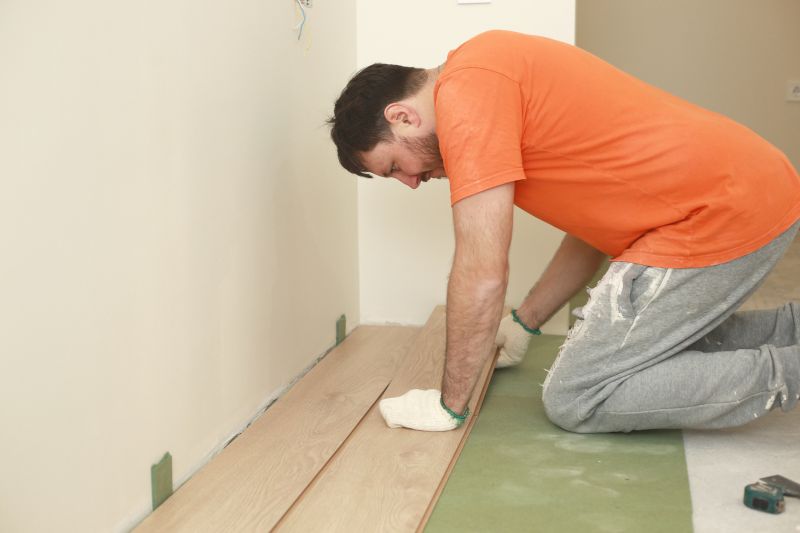
When evaluating service providers for sagging floor repair, it’s important to consider their experience with similar projects. Homeowners should look for local contractors who have a proven track record of successfully handling flooring issues comparable to theirs. Asking about the number of similar jobs completed and requesting details about past projects can help gauge their familiarity with the specific challenges involved in fixing sagging floors. Experienced local pros are more likely to understand the nuances of different flooring types and structural considerations, which can contribute to a more effective and lasting repair.
Clear written expectations are essential when choosing a contractor for sagging floor repair. Homeowners should seek providers who can offer detailed descriptions of the scope of work, materials to be used, and the steps involved in the repair process. Having this information in writing helps prevent misunderstandings and ensures everyone is aligned on what the project entails. Reputable local service providers will be transparent about their approach, enabling homeowners to make informed decisions and feel confident about the work that will be performed.
Good communication and reputable references are key indicators of a dependable contractor. Homeowners are encouraged to ask for references from previous clients who had similar repairs done and to verify the quality of the work. Additionally, responsive and clear communication throughout the inquiry process can signal a professional approach and a commitment to customer service. While this site introduces homeowners to local options, it’s important to remember that the actual repair work is handled by trusted local contractors, not the site itself. Comparing these aspects can help ensure that the chosen service provider is well-qualified to restore stability to sagging floors effectively.
Property owners use Sagging Floor Repair services for practical projects around their homes and businesses. This guide focuses on everyday jobs and straightforward project options.
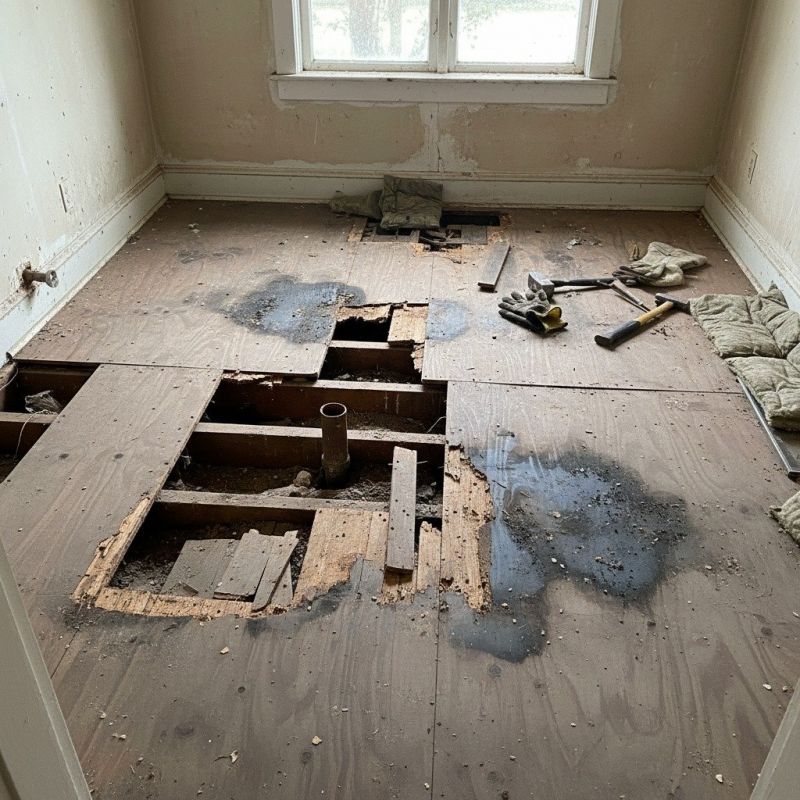
Sagging floors are a common concern for property owners dealing with uneven or creaking surfaces in their homes or commercial spaces. Over time, factors such as aging materials, moisture damage, or structural shifts can cause floors to weaken and sag. Local contractors often receive inquiries from homeowners noticing dips or soft spots in their flooring, especially in areas with high foot traffic or after recent weather changes that may have affected the foundation.
Property owners may seek sagging floor repair services to restore safety and stability to their spaces. Issues like uneven flooring in living rooms, kitchens, or basements can be both a cosmetic concern and a safety hazard. Local service providers are equipped to handle these projects, offering solutions to reinforce or replace damaged supports, stabilize the foundation, and improve the overall integrity of the flooring.
What causes floors to sag? Sagging floors are often caused by issues such as weakened or damaged joists, foundation settling, or moisture-related problems that compromise structural integrity.
How can I tell if my floor is sagging? Signs include noticeable dips or uneven surfaces, creaking sounds, or visible gaps between the floor and walls that may indicate a sagging floor.
What repair options are available for sagging floors? Local contractors may use methods like sistering joists, installing supports or piers, or replacing damaged framing components to restore stability.
Is sagging floor repair invasive? Repair approaches vary, but many involve minimally invasive techniques that aim to stabilize the floor without extensive demolition.
How do I find local pros for sagging floor repair? This website can help connect with experienced service providers in your area who specialize in floor stabilization and repair services.
Assessing Foundation Stability - Property owners can use sagging floor repair services to evaluate and address uneven floors caused by foundation settling or shifting.
Restoring Floor Levelness - Homeowners may seek local contractors to level floors in living rooms or basements to improve safety and comfort.
Preventing Further Damage - Repair services can help property owners stop sagging floors from worsening, protecting the structural integrity of the building.
Enhancing Property Value - Fixing sagging floors can be part of home improvement projects to maintain or increase property value over time.
If you are thinking about Sagging Floor Repair for a property, this guide is meant to help you understand the work, the typical project types, and how different options might fit your plans.
When you are ready, you can use the quote form on this page to share a few details about your project. From there, local pros can review the basics and respond with options that match what you have in mind.