Get Subfloor Replacement
Subfloor replacement services involve local contractors repairing or replacing damaged, rotting, or uneven subfloors to improve safety, stability, and flooring longevity.
If you’re considering a subfloor replacement, you’re in the right place to explore your options. Property owners in the area often face issues such as moisture damage, warping, or structural concerns that can compromise the integrity of a building’s foundation. Planning such a project requires careful assessment and comparison of local contractors who specialize in subfloor work. This process helps ensure that the work is done properly and that the property remains safe and stable for years to come.
Continuing to explore local service providers can help you find the right solutions tailored to your property's needs. Whether addressing existing damage or preparing for renovations, comparing options from experienced contractors can lead to a more informed decision. Keep reading to learn about how local pros approach subfloor replacement and how they can support your project’s success.
- Subfloor Replacement - needed when the existing subfloor has sustained water damage or extensive rot.
- Subfloor Replacement - required if the current subfloor is warped, cracked, or uneven, affecting flooring stability.
- Subfloor Replacement - necessary during renovations or remodeling projects that involve removing old flooring materials.
- Subfloor Replacement - advised when mold or mildew has developed beneath the flooring, compromising indoor air quality.
- Subfloor Replacement - essential if structural issues have been identified that threaten the integrity of the flooring system.
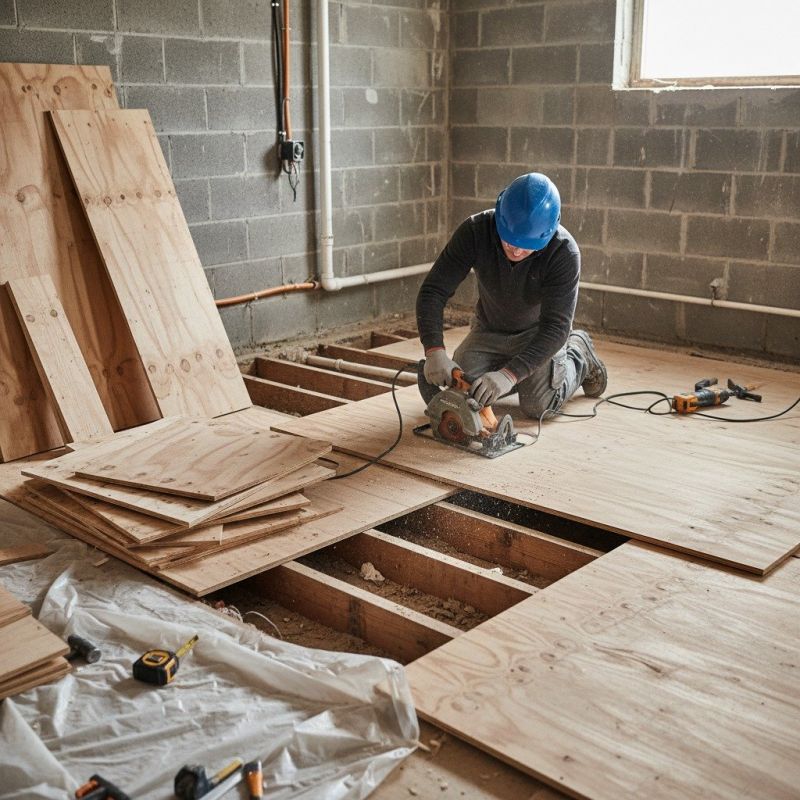
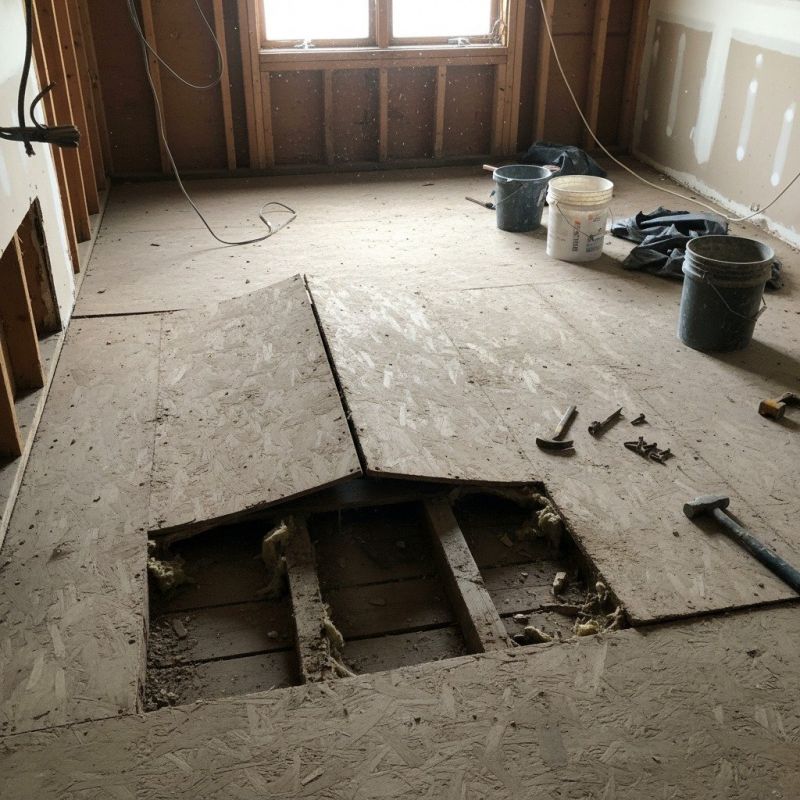
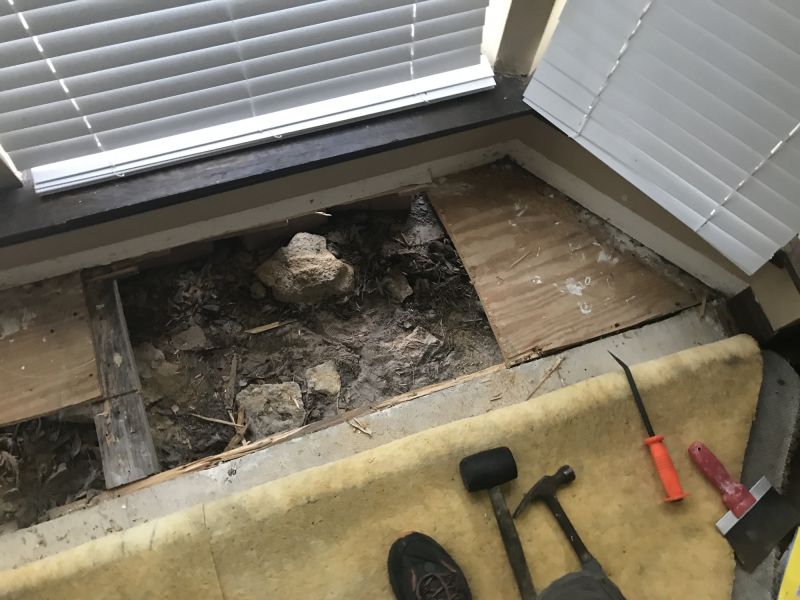
Subfloor replacement services involve removing and replacing the damaged or deteriorated layers of subflooring beneath the visible flooring surface. This process typically includes assessing the existing subfloor, removing the compromised sections, and installing new, stable material to provide a solid foundation for the finished floor. Skilled contractors ensure that the new subfloor is properly secured and leveled, helping to restore the structural integrity of a property’s flooring system.
This service is essential for addressing a variety of problems that can affect a building’s subfloor. Common issues include water damage from leaks or flooding, wood rot, mold growth, or warping caused by moisture exposure. Over time, these problems can compromise the stability of the floor, leading to squeaks, uneven surfaces, or even safety hazards. Subfloor replacement helps eliminate these issues, creating a safer and more durable foundation for the finished flooring.
Properties that often require subfloor replacement include older homes with aging infrastructure, properties that have experienced flooding or water leaks, and buildings with previous flooring installations that have failed or become damaged. Commercial spaces, residential homes, and multi-family buildings may all need this service when the subfloor shows signs of deterioration. Replacing the subfloor can also be part of larger renovations or remodeling projects aimed at improving the stability and longevity of a property’s flooring system.
Homeowners typically consider subfloor replacement when they notice problems such as creaking floors, uneven surfaces, or visible damage beneath the carpet or hardwood. If there are persistent odors, mold growth, or visible water stains, it may indicate underlying issues with the subfloor that require professional attention. Contacting experienced local contractors can help determine whether a subfloor replacement is necessary to ensure the safety, stability, and longevity of the flooring in a home or property.
The overview below groups typical Subfloor Replacement projects into broad ranges so you can see how smaller, mid-sized, and larger jobs often compare in your area.
In many markets, a large share of routine jobs stays in the lower and middle ranges, while only a smaller percentage of projects moves into the highest bands when the work is more complex or site conditions are harder than average.
Smaller Repairs - For minor subfloor repairs, local contractors typically charge between $250 and $600. These projects often involve replacing small sections and are generally straightforward, fitting within the lower end of the cost spectrum.
Moderate Replacement - Mid-sized subfloor replacements usually range from $600 to $2,000. Many projects fall into this range, covering larger areas or moderate damage, with fewer jobs reaching the higher end.
Full Subfloor Replacement - Complete replacement of an entire subfloor can cost between $2,000 and $5,000 or more, especially for extensive or complex projects. Larger, more involved jobs tend to push into the upper tiers of this range.
Complex or Custom Projects - Highly intricate or custom subfloor work may exceed $5,000, depending on the scope and materials involved. Such projects are less common and represent the highest cost tier for subfloor replacement services.
Actual totals will depend on details like access to the work area, the scope of the project, and the materials selected, so use these as general starting points rather than exact figures.
Flooring Installation - Contractors skilled in subfloor replacement often handle various flooring installations, requiring similar surface preparation and substructure work.
Concrete Floor Repair - Repairing or replacing damaged concrete slabs involves planning and tools comparable to subfloor replacement projects.
Bathroom Renovations - Bathroom remodels frequently require subfloor removal and replacement to ensure a stable foundation for new fixtures and finishes.
Basement Finishing - Finishing a basement involves subfloor preparation and installation, making it related to subfloor replacement services.
Home Renovation Projects - General home upgrades often include subfloor work as part of structural improvements and flooring upgrades.
Wood Floor Refinishing - Preparing subfloors for refinishing or new flooring installations involves similar skills in surface assessment and preparation.
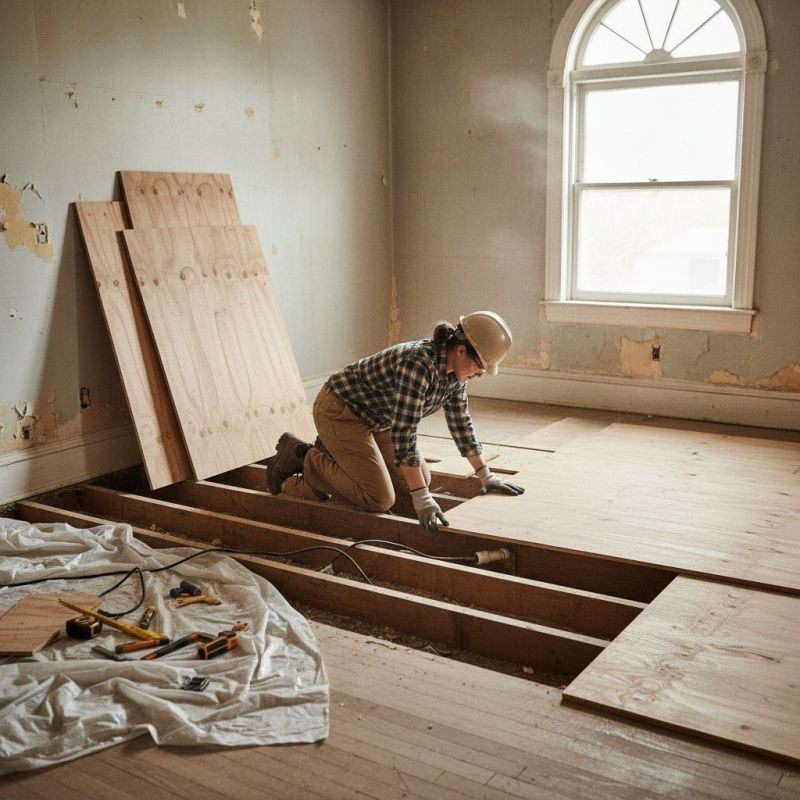
When evaluating service providers for subfloor replacement, it’s important to consider their experience with similar projects. Homeowners should look for local contractors who have a proven track record of handling subfloor work comparable in scope and complexity. Asking about past projects can help determine if a contractor has the necessary expertise and familiarity with the specific challenges that come with replacing subfloors in residential settings. Experienced local pros are more likely to understand the nuances of different flooring types and subfloor conditions, which can contribute to a smoother and more successful renovation process.
Clear, written expectations are essential when comparing local contractors for subfloor replacement. Homeowners should seek detailed project descriptions, including the scope of work, materials to be used, and any specific procedures or standards the contractor follows. Having these expectations documented helps ensure everyone is aligned on what the project entails, reducing misunderstandings or surprises along the way. It’s also beneficial to request a written outline of the process, so expectations are transparent from the start and can serve as a reference throughout the project.
Reputable references and strong communication are key factors in choosing the right local service providers. Homeowners are encouraged to ask for references from previous clients who had similar work done, as this can provide insight into the contractor’s reliability and quality of work. Additionally, good communication-whether through timely responses, clarity in explanations, or willingness to address questions-can make the entire process more manageable. Connecting with local pros known for open dialogue and professionalism can help ensure that the project progresses smoothly and meets expectations, making the selection process more confident and informed.
Property owners use Subfloor Replacement services for practical projects around their homes and businesses. This guide focuses on everyday jobs and straightforward project options.
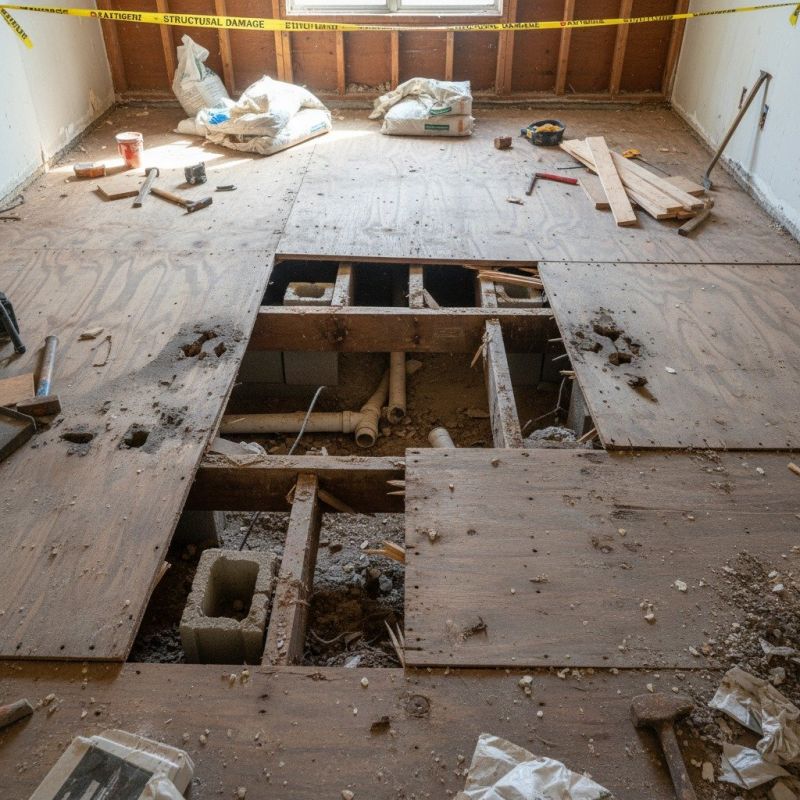
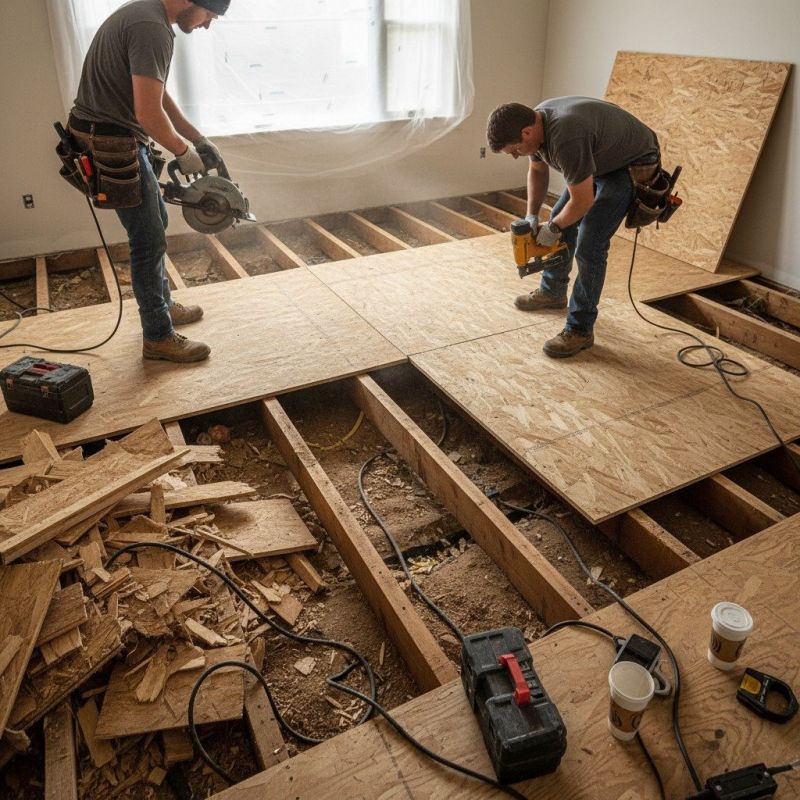
Subfloor replacement services are commonly sought after by property owners dealing with uneven flooring, squeaks, or signs of water damage. Over time, subfloors can weaken or become compromised due to moisture, heavy use, or age, leading to structural issues or discomfort underfoot. Homeowners and business owners often look for local contractors who can assess the condition of their subfloors and provide reliable replacement solutions to restore stability and safety.
In many cases, property owners may need subfloor work during renovations or after discovering mold or pest infestations. Damaged subfloors can also cause problems with flooring installation or lead to further structural deterioration if not addressed promptly. Local service providers can handle these projects efficiently, helping property owners improve the integrity of their floors and maintain the value of their properties.
What are signs that subfloor replacement might be needed? Indicators include visible sagging, creaking floors, or noticeable cracks and warping in the flooring surface.
How do local contractors typically handle subfloor replacement? They usually assess the extent of damage, remove the affected subfloor sections, and install new material to restore a stable foundation.
Can subfloor replacement be done in stages or all at once? This depends on the scope of damage and the structure of the flooring; a professional can advise on the best approach for the situation.
What materials are commonly used for subfloor replacement? Plywood and oriented strand board (OSB) are common choices for replacing damaged subfloor sections.
Is subfloor replacement necessary for fixing underlying issues like mold or water damage? Yes, replacing the subfloor can be essential to eliminate damage and prevent future problems in the flooring system.
Subfloor Replacement for Renovations - property owners planning to upgrade or remodel can consider replacing damaged or outdated subfloors to improve overall flooring stability.
Preparing for New Flooring Installation - replacing the subfloor provides a solid foundation for installing new carpets, hardwood, or tile in any room.
Addressing Moisture or Mold Issues - property owners dealing with moisture problems or mold growth can have local contractors replace compromised subfloors to restore indoor air quality.
Repairing Damage After Water Incidents - after leaks or flooding, replacing the subfloor helps eliminate damaged materials and prepares the space for safe, durable flooring.
If you are thinking about Subfloor Replacement for a property, this guide is meant to help you understand the work, the typical project types, and how different options might fit your plans.
When you are ready, you can use the quote form on this page to share a few details about your project. From there, local pros can review the basics and respond with options that match what you have in mind.